
Leading Tools And Products For Storm Damage Recovery
Equip yourself with the most trusted tools and materials to facilitate comprehensive storm restoration efforts.
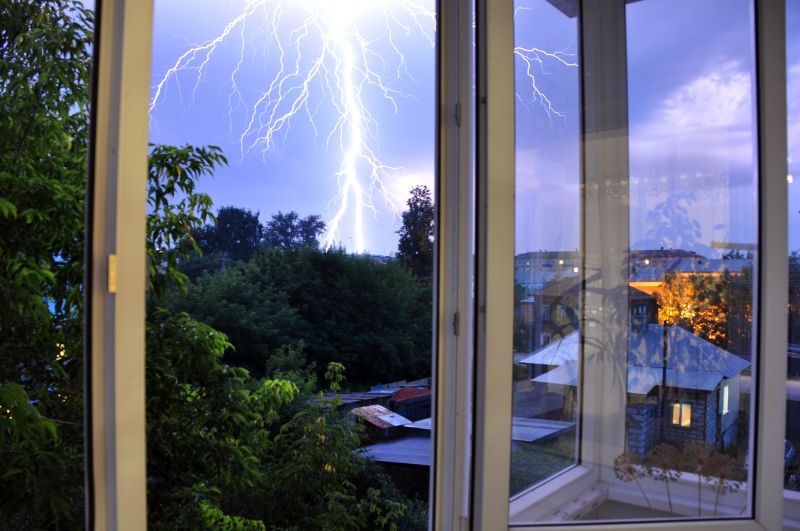 Storm restoration products are essential tools and materials used to repair and reinforce structures affected by severe weather events such as storms, hurricanes, and tornadoes. These products help mitigate further damage, restore safety, and improve the resilience of buildings and infrastructure. Commonly used items include roofing materials, sealants, waterproofing solutions, and structural reinforcements, all designed to withstand harsh weather conditions.
Top Overall Option
Multi-Purpose Storm Repair Kit
A versatile storm repair kit that includes a variety of essential tools and materials such as sealants, patching compounds, and fasteners. Designed for quick response and comprehensive repairs, it offers durability and ease of use for both professionals and homeowners.
Types of Products For Storm Restorations
Roofing Shingles
Durable shingles designed to replace or reinforce damaged roofing after storms, available in various styles and materials.
Roof Sealants and Coatings
Waterproof sealants and protective coatings to prevent leaks and enhance roof longevity.
Storm-Resistant Windows
Impact-resistant windows and shutters to safeguard against flying debris and high winds.
Waterproof Membranes
Barrier membranes used to prevent water intrusion in walls, roofs, and foundations.
Structural Reinforcement Materials
Steel braces, straps, and other hardware to strengthen weakened structures.
Gutter and Drainage Systems
Enhanced gutter systems and drainage solutions to manage water runoff effectively.
Patching and Repair Compounds
Quick-setting compounds for patching holes, cracks, and damaged surfaces.
Flood Barriers and Sandbags
Temporary barriers to divert water and protect properties from flooding.
Emergency Lighting and Power Supplies
Generators, flashlights, and lighting solutions for use during power outages.
Insulation and Vapor Barriers
Materials to restore insulation and prevent moisture intrusion in walls and attics.
Debris Removal Tools
Heavy-duty brooms, shovels, and debris bags for cleanup efforts.
Weatherproofing Tapes
Tapes designed to seal leaks and cracks temporarily or permanently.
Foundation Repair Products
Injectable resins and underpinning materials for stabilizing foundations.
Ventilation Systems
Proper ventilation products to prevent mold and moisture buildup after storm damage.
Safety Equipment
Protective gear such as gloves, masks, and helmets for safe repair work.
Popular Choices
Windows designed to withstand debris impact and high winds, popular in storm-prone areas.
Self-adhesive patches suitable for quick sealing of roof leaks and damage.
Sealants used to prevent water intrusion in cracks and joints after storms.
Protective covers that prevent debris buildup and ensure proper drainage.
Removable or permanent shutters providing additional protection for windows.
Emergency power sources that support essential appliances during outages.
Temporary barriers to divert rising water and protect property foundations.
Additional layers of protection beneath roofing materials for enhanced waterproofing.
Hardware used to reinforce walls and roofs against high winds.
Battery-powered lights for safe navigation during power outages.
Essential equipment for clearing storm-damaged debris efficiently.
Materials to prevent moisture buildup and mold growth after water exposure.
Products used to stabilize and repair compromised foundations.
Sealing tapes suitable for temporary or permanent repairs of leaks and cracks.
Replacement insulation to restore thermal barriers after storm damage.
Doors designed to withstand severe weather conditions and debris impact.
Ventilation solutions to improve airflow and prevent moisture issues post-storm.
In storm-prone areas like Arlington Heights, IL, having the right restoration products on hand can make a significant difference in response time and repair quality. These products are often selected based on their durability, ease of application, and compatibility with existing structures. Properly chosen materials can help prevent water intrusion, reinforce weakened structures, and protect against future storms.
When considering storm restoration products, it is important to evaluate their suitability for specific needs, whether for residential, commercial, or industrial buildings. The right products should adhere to safety standards, be easy to store and handle, and offer long-lasting performance. Investing in quality restoration supplies can support effective repairs and contribute to the overall resilience of properties in storm-prone regions.
Overall, having a comprehensive set of storm restoration products can empower homeowners and contractors to respond efficiently to storm damages. Proper planning and selection of the right tools and materials are key to ensuring safety and durability during and after severe weather events.
Key Buying Considerations
- Assess the severity and type of storm damage to determine necessary products.
- Choose materials that are compatible with existing structures and surfaces.
- Prioritize durability and weather resistance to ensure long-lasting repairs.
- Consider ease of installation or application, especially for DIY projects.
- Check for compliance with local building codes and safety standards.
- Evaluate the product’s resistance to water, wind, impact, and other relevant factors.
- Determine the availability of replacement parts or additional components if needed.
- Review product warranties and manufacturer support options.
- Think about storage and transportation requirements for larger or bulk items.
- Estimate the overall cost versus the scope of the restoration project.
- Select versatile products that can address multiple repair needs if possible.
- Consider the environmental conditions of the specific location within Arlington Heights.
- Look for products with proven performance in similar storm scenarios.
- Evaluate the safety features and ease of handling for all users involved.
- Plan for future storm preparedness by selecting upgrade options where feasible.