
Optimal Timing for Storm Restorations
Understanding the optimal time for storm restorations is essential for minimizing damage and ensuring property resilience. The timing depends on seasonal weather patterns, storm frequency, and regional climate conditions. Typically, late spring through early fall presents the highest risk for storms, making this period crucial for proactive restoration efforts.
Storm restorations are most effective when performed before the peak storm season, reducing potential damage and repair costs.
Monitoring regional weather forecasts helps identify the best windows for restoration activities, avoiding delays caused by adverse conditions.
Preparing properties ahead of storm seasons can mitigate damage, making restorations more straightforward and cost-effective afterward.
Immediate restoration following storms ensures structural integrity and prevents secondary issues like water intrusion or mold growth.
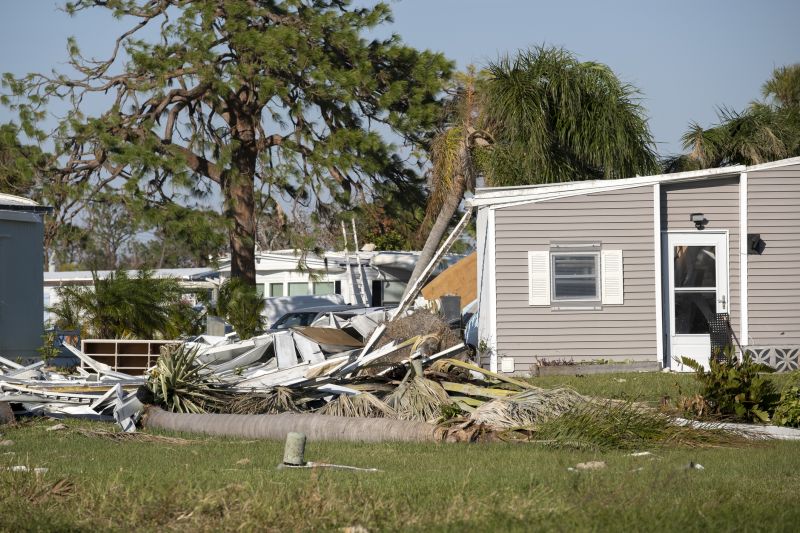
Evaluating damage promptly after storms helps determine the best restoration timing.
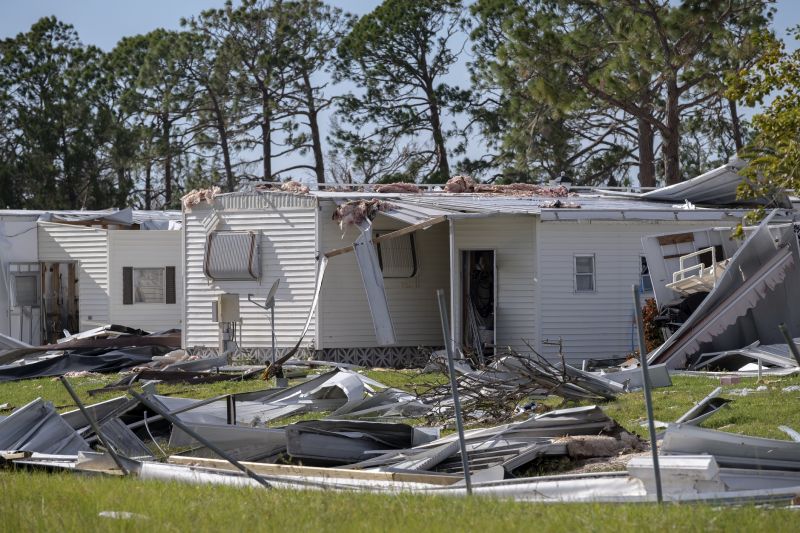
Timely roof repairs prevent further damage during storms.

Addressing water intrusion quickly reduces long-term issues.
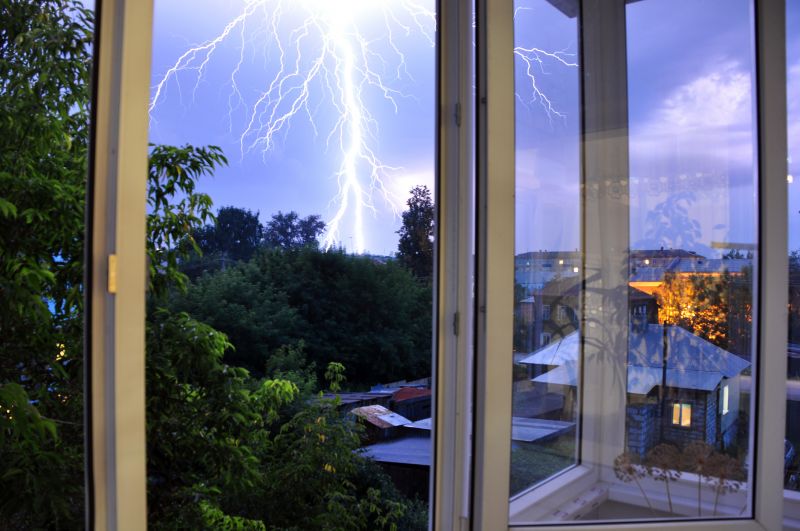
Ways to make Storm Restorations work in tight or awkward layouts.
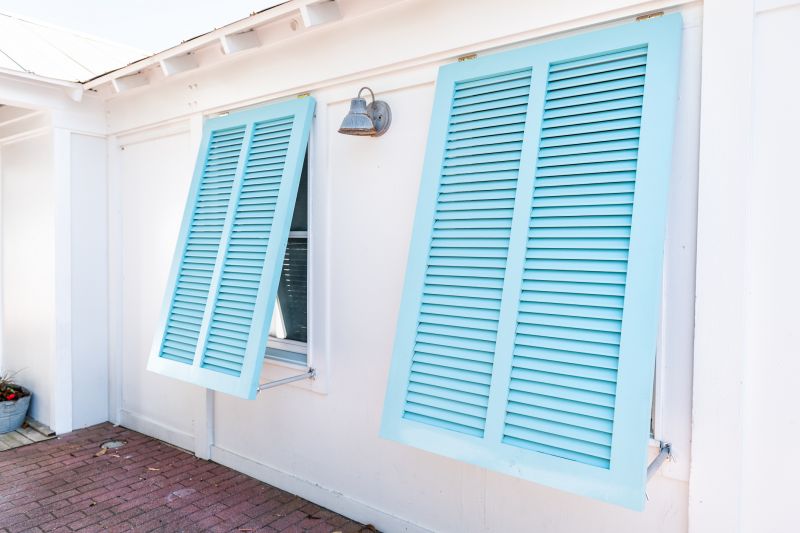
Popular materials for Storm Restorations and why they hold up over time.
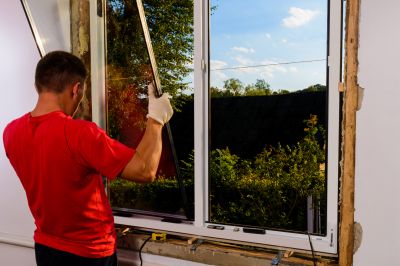
Simple add-ons that improve Storm Restorations without blowing the budget.
| Storm Season | Optimal Restoration Period |
|---|---|
| Spring | Early spring before storms increase |
| Summer | Mid to late summer for proactive repairs |
| Fall | Late fall to prepare for winter storms |
| Winter | Limited, unless in storm-prone regions |
| High Storm Activity Months | Align restoration efforts accordingly |
Storm restorations involve repairing and restoring structures damaged by severe weather conditions. These efforts include roof repairs, siding replacements, window reinforcements, and addressing water intrusion. Proper timing ensures that repairs are effective and that properties are better prepared for upcoming storms. Statistics indicate that timely restorations can significantly reduce long-term damage costs and improve structural durability.
In regions like Arlington Heights, IL, where storm activity varies seasonally, planning restoration efforts around weather patterns can optimize outcomes. Early intervention during the right periods minimizes disruptions and enhances property resilience. Regular inspections and proactive maintenance are key components of effective storm restoration strategies.
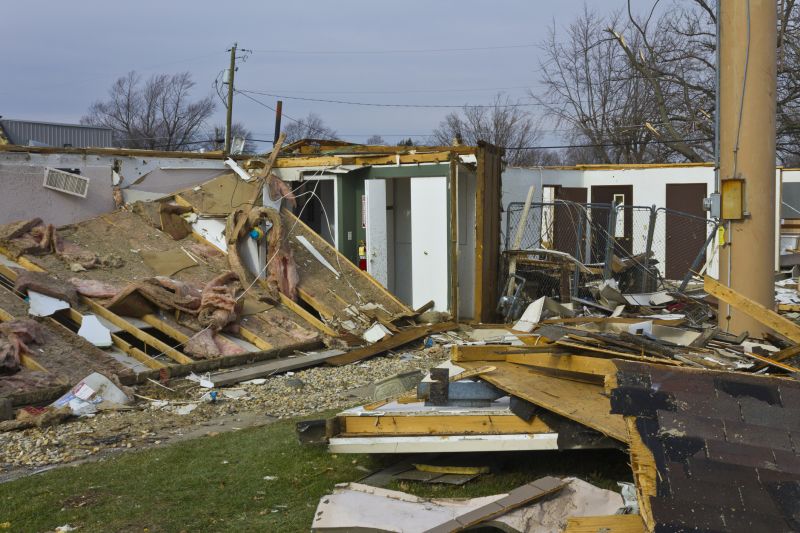
Restoring properties promptly after storms reduces secondary issues.
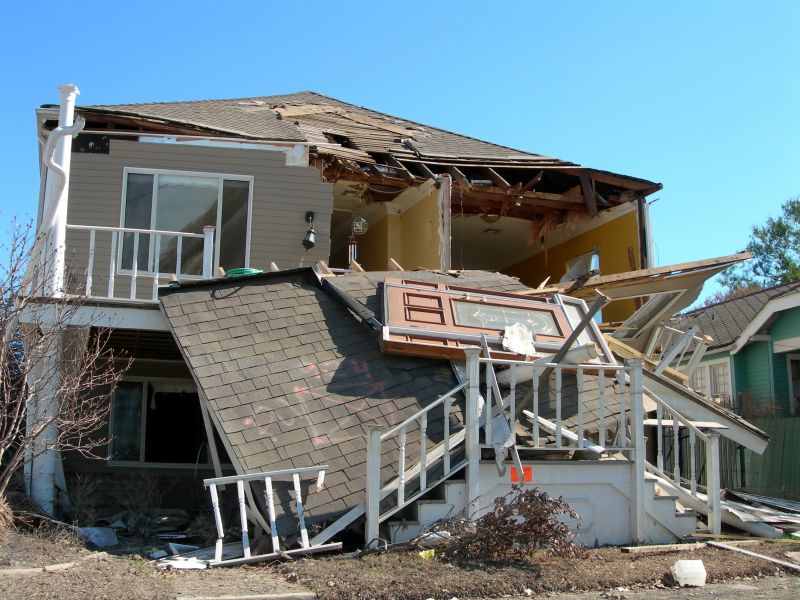
Quick response to storm damage limits further deterioration.

Strengthening structures for future storm resilience.
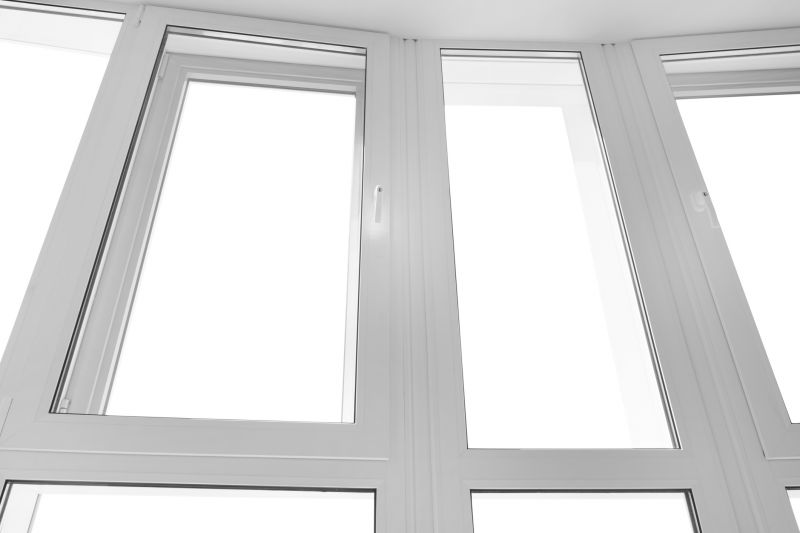
High-end options that actually feel worth it for Storm Restorations.
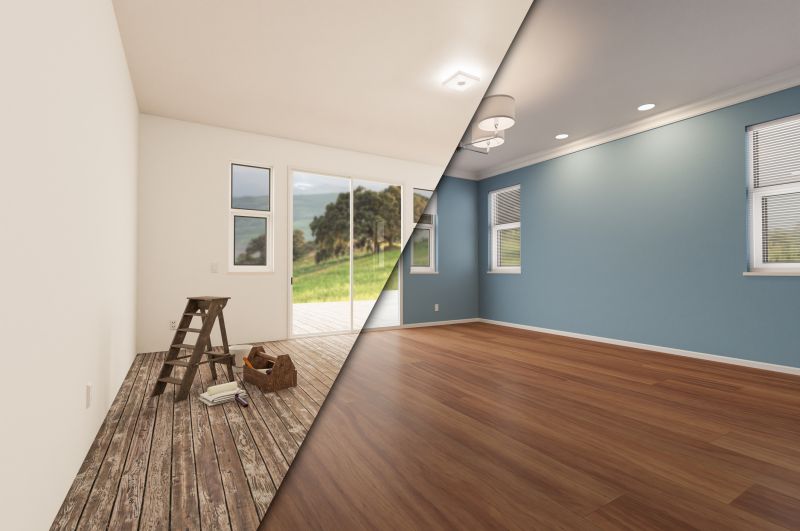
Finishes and colors that play nicely with Storm Restorations.

Little measurements that prevent headaches on Storm Restorations day.
Interested property owners in Arlington Heights can contact for detailed assessments and tailored restoration plans. Timely action can help mitigate storm-related damages and maintain property integrity during severe weather events.